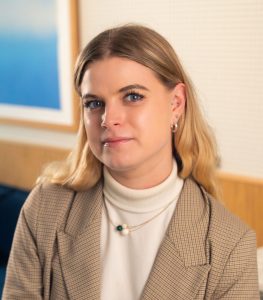









For the latest edition of our Women in Tech series, I had a thought-provoking conversation with Kathryn Kaboutian, Group Deputy Chief Digital Information Officer for Bristol NHS Group. With over 17 years of experience across NHS digital transformation, Kathryn shared reflections on leadership, confidence, culture and the realities of delivering change in today’s NHS.
What stood out most throughout the conversation was Kathryn’s openness around leadership and growth. From starting her career in retail and catering, to speaking candidly about imposter syndrome, difficult leadership lessons and learning to intentionally step outside of her comfort zone, the conversation felt genuinely honest.
A theme that came up repeatedly was that successful digital transformation is rarely about technology alone. For Kathryn, it is ultimately about people, culture, listening and creating environments where teams feel safe enough to speak openly.
“I ended up in the NHS almost by accident”
Kathryn described her move into NHS digital as something that happened “more by accident than design”.
Before joining the NHS, her background was in retail and catering, including time working at Sainsbury’s in highly people-focused, fast-paced environments. At the time, she and her husband were thinking about starting a family and she was looking for a career that offered more stability and long-term purpose.
After considering several industries including banking and the police force, she joined the NHS as a Business Manager within Clinical Coding and never left.
Kathryn reflected that many of the skills she developed early in retail still shape how she leads today. Managing people, communicating clearly, handling pressure and building relationships all translated naturally into digital leadership later in her career.
She also remembered being struck by how paper-heavy the NHS was when she first joined, particularly compared to retail environments that were already operating far more digitally.
Whilst she acknowledged how far the NHS has come, she stressed there is still significant work ahead, particularly around ensuring digital transformation works effectively for all patient groups.
Leadership has to be intentional
One of the strongest themes throughout the conversation was intentional leadership.
Kathryn openly admitted that people-first leadership sounds simple in theory but is much harder in practice.
“Most of us think we listen, but actually we only hear the bits we want to hear.”
For Kathryn, leadership is about visibility, listening properly and creating environments where people feel psychologically safe enough to speak honestly. She discussed the complexity of bringing teams together across Bristol NHS Group during periods of significant organisational change. Teams that may previously have worked independently (or even competitively) are now being asked to collaborate more closely, which Kathryn noted can sometimes leave people feeling uncertain about their identity within changing organisations.
One particularly interesting point Kathryn raised was that governance structures and delivery processes alone do not solve the psychological side of transformation.
“You can have all the governance and processes in the world, but that doesn’t fix the psychology side of change.”
Instead, she believes trust is built through how leaders respond when things go right and, more importantly, when things go wrong – failing together, learning from it and improving next time.
“The technology part is usually the easy bit”
When discussing digital transformation itself, Kathryn spoke candidly about where she believes the real challenge lies.
“The technology part is usually the easy bit. The hard part is sustaining the change afterwards.”
Kathryn believes NHS organisations have become increasingly good at implementing systems and delivering programmes. The bigger challenge is embedding change long-term, driving adoption and continuously optimising systems after go-live. She reflected that programmes are too often treated as complete once the technology is live, when in reality that is where the real work begins. Rather than simply replicating existing processes digitally, Kathryn believes organisations need to focus on how technology genuinely improves care delivery and staff experience.
She also highlighted the risk of digital itself becoming “the answer”, rather than being viewed as an enabler of wider operational and clinical transformation.
“The strongest digital programmes don’t feel like IT projects – they feel like operational and clinical transformation.”
Knowing when to pause
One of the most insightful parts of the conversation centred around leadership decision-making and knowing when something is not landing properly. Kathryn explained that one of the hardest things as a digital leader is deciding when to pause, reset or stop a programme.
On paper, programmes can often appear successful through governance reporting and delivery metrics. However, frontline feedback may tell a very different story.
“It can take courage to pause and reset a programme when something doesn’t feel right.”
Rather than viewing this negatively, Kathryn believes stopping and listening ultimately builds far more long-term credibility than pushing ahead with something that is clearly not working.
Kathryn explained that some of the most valuable feedback often comes directly from frontline teams rather than governance reports alone.
“If you go to the ward and ask people what isn’t working, they’ll tell you.”
Whilst those conversations can sometimes feel uncomfortable, she believes honesty and openness are critical to rebuilding trust when programmes are not landing well. In some cases, she noted, it is not the programme itself that is wrong, but the communication, engagement or alignment around it.
That balance between delivery pressure and empathy was a theme she returned to several times throughout the discussion.
Building strong digital teams
Kathryn was also candid about the challenges of retaining digital talent within the NHS.
“Culture and purpose are what keep people in NHS digital – not salary.”
For Kathryn, building strong teams starts with helping people understand the wider vision and how their role contributes towards improving patient care. She also stressed the importance of creating environments where people can grow, develop and work in ways that allow them to succeed.
A major theme throughout the conversation was intentional development. Kathryn spoke passionately about continuous learning – not just through formal training, but through podcasts, books, webinars and learning outside of day-to-day roles. She also mentioned that some of her leadership inspiration comes from outside the NHS entirely, including lessons from sport and different management styles, particularly around resilience, teamwork and leading people through pressure and change.
“If you think just by doing your 9-5 job you’ll develop, you’re wrong.”
She also reflected on how mentors, coaches, peers and supportive leaders played an important role throughout her own career. Rather than putting progression down to luck, Kathryn believes growth comes from intentionally investing in yourself, seeking feedback and being willing to step into uncomfortable situations.
One insight that stood out was that throughout her career, she often tried to start operating at the level above her current role before officially stepping into it – helping build confidence before making the transition into more senior positions.
“You don’t have to feel ready”
Reflecting on her own leadership journey as a woman in digital and technology, Kathryn spoke openly about confidence and imposter syndrome.
She mentioned that earlier in her career she did not consciously think about being a woman in leadership. However, over time she became more aware of the self-doubt and pressure that many women experience when progressing into senior roles.
Kathryn also reflected on the leadership styles she experienced early in her career. Some of the management approaches she saw were highly directive and transactional, for a period of time she believed that was simply what leadership looked like.
A turning point came when another mentor challenged her directly and encouraged her to intentionally lead differently. Kathryn reflected that the feedback was difficult to hear at the time, but ultimately became a turning point in helping her develop a more intentional leadership style.
Since then, Kathryn explained that she has invested heavily in coaching, feedback and personal development, constantly pushing herself into spaces that feel uncomfortable.
One of the strongest messages from the conversation came when discussing stepping into more senior roles:
“You don’t have to feel ready.”
Kathryn admitted she did not feel fully ready when stepping into her current Group-level role, but believes waiting to feel completely prepared can often hold people back unnecessarily.
“You’re never going to go into a role as a finished article, so just go for it.”
Instead, she encouraged aspiring leaders, particularly women in digital and tech, to continue learning, seek feedback and not shy away from opportunities that feel uncomfortable or stretching.
Looking ahead
Looking ahead, Kathryn believes the NHS needs to stop viewing digital as a one-off investment or isolated function.
Kathryn also stressed that digital cannot continue sitting as an isolated function within organisations. Instead, it needs to become embedded into operational delivery, workforce planning and even individual development objectives across the NHS.
“Digital needs to become part of how care is delivered day-to-day – not an additional add-on,” she explained.
She also highlighted the importance of organisations moving beyond traditional competitive mindsets and becoming more collaborative across systems:
“We need to share and learn from each other more.”
Kathryn repeatedly returned to the importance of sustained and intentional investment in digital, describing transformation as something that requires continuous ownership and support rather than one-off funding cycles.
Throughout the conversation, one thing became very clear: Kathryn’s approach to digital leadership is deeply rooted in people, self-awareness and continuous growth.
And perhaps most importantly, she reminded us that leadership is not about ever becoming a finished article – it is about being willing to keep learning, adapting and stepping into the uncomfortable spaces where growth happens most.